
Backup Power When Grid Service Fails
Generators in Texarkana for Properties Where Power Outages Disrupt Operations or Compromise Safety
Extended power outages during severe weather expose homes and businesses to equipment damage, spoiled inventory, security system failures, and uncomfortable or dangerous conditions, particularly during extreme heat or winter freezes. Generator installations provide automatic backup power that maintains critical systems during grid interruptions, and Service First Pro Electrical sizes, installs, and services standby generators for residential and commercial properties throughout Texarkana based on specific power requirements and priority circuits. Properly sized generators restore power within seconds of detecting outages, allowing HVAC systems, refrigeration, lighting, security systems, and essential equipment to continue operating until utility service returns.
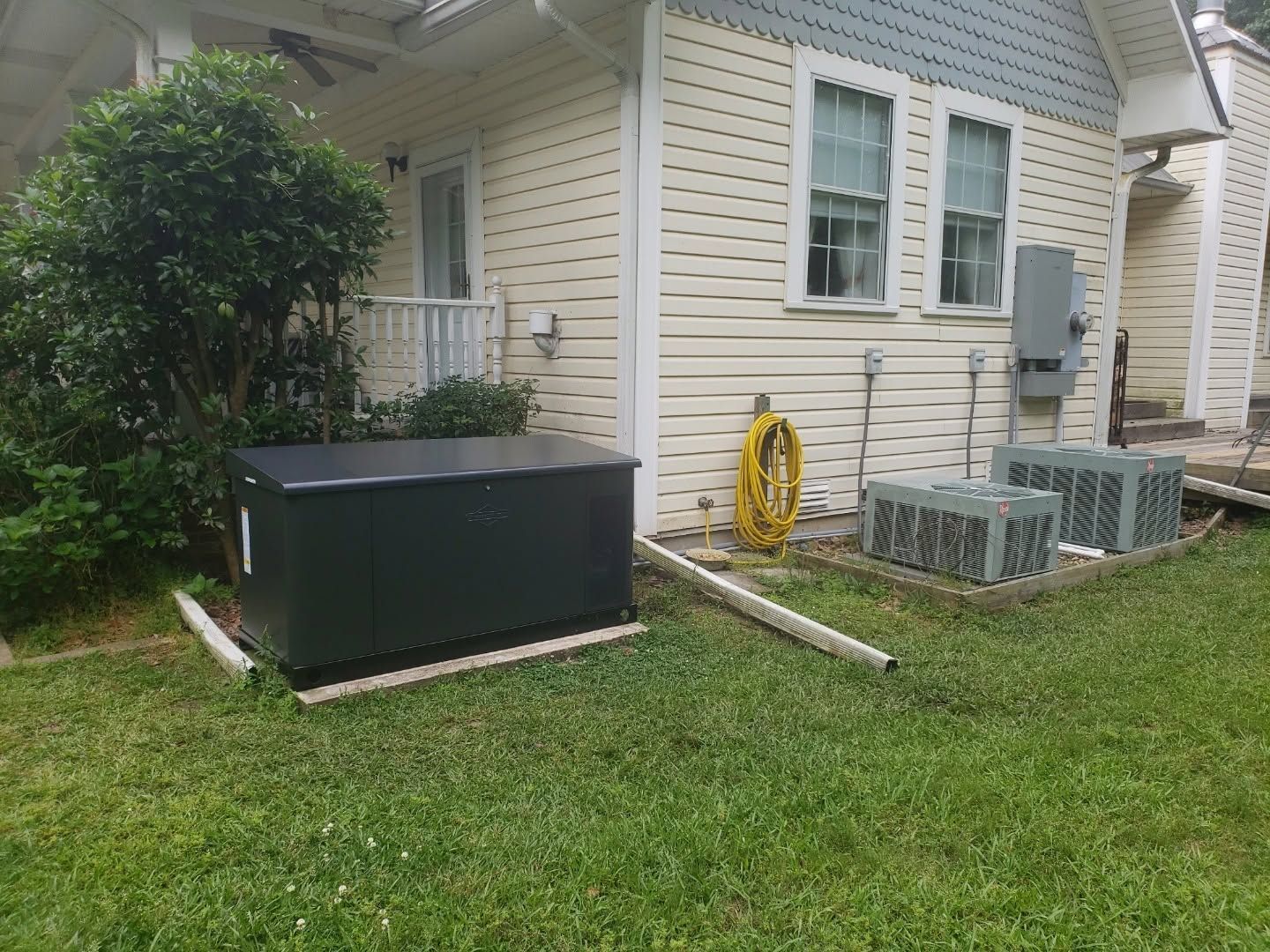
Generator installations begin with load calculations that determine which circuits require backup power and the minimum generator capacity needed to support those loads simultaneously, followed by positioning the generator in a location that meets clearance requirements from buildings and property lines while allowing proper ventilation and fuel access. Installation work includes setting a concrete pad that provides stable mounting and prevents settling, running a natural gas line or installing a propane tank for fuel supply, installing a transfer switch that isolates backup circuits from utility power, and connecting control wiring that enables automatic operation.
Request a generator consultation to discuss backup power requirements for your property and receive sizing recommendations.

What Backup Power Systems Actually Accomplish
Standby generators monitor utility voltage continuously and start automatically within ten to fifteen seconds when they detect power loss, with transfer switches disconnecting selected circuits from the dead utility feed and reconnecting them to generator output once voltage stabilizes. Whole-house generators power entire electrical systems including air conditioning and electric ranges, while partial-backup systems support only essential circuits to reduce equipment costs.
After generator systems install and commission, property owners maintain operational continuity during storms and grid failures rather than facing hours or days without power, which prevents food loss in refrigerators and freezers, maintains comfortable indoor temperatures regardless of outside weather, keeps security systems and exterior lighting functional to deter break-ins during widespread outages, and allows businesses to continue serving customers while competitors remain closed. Service First Pro Electrical ensures transfer switch configurations prevent dangerous backfeeding that could injure utility workers restoring power on neighborhood lines.
Generator capacity must account for motor starting loads that temporarily draw three to five times normal operating current, which means a generator adequate for running current cannot necessarily start air conditioning compressors or well pumps without tripping overload protection. Natural gas generators connect to existing utility gas lines for unlimited runtime, while propane systems require tank sizing based on estimated outage duration and fuel consumption rates.
Common Questions About This Service
Generator installations involve decisions about capacity, fuel type, and system configuration that affect performance and costs.
How do summer temperatures in Texarkana affect generator operation?
Generators derate capacity in high ambient temperatures since cooling efficiency decreases, and installations must account for typical summer conditions exceeding ninety-five degrees when sizing equipment to ensure adequate power output during the season when air conditioning loads and storm-related outages both peak.
What maintenance do standby generators require after installation?
Generators need weekly exercise cycles that run the engine under load to prevent fuel system deposits and keep mechanical components lubricated, along with annual service including oil changes, filter replacements, and battery testing to ensure reliable starting during actual outages.
Why do properly sized generators sometimes struggle to start certain equipment?
Air conditioning compressors, well pumps, and other motor loads require surge capacity significantly higher than their operating wattage, and generators lacking adequate starting capacity will stall or trip breakers when these devices attempt to start, which requires either larger generators or soft-start devices that reduce inrush current.
What determines generator placement on properties?
Generators require minimum clearances from windows, doors, and air intake vents to prevent exhaust gas intrusion, adequate space around the unit for service access and ventilation, level mounting surfaces that prevent vibration and oil leaks, and locations where operating noise does not excessively impact occupied spaces.
When should commercial properties install three-phase generators?
Businesses operating three-phase equipment like industrial machinery, large HVAC systems, or commercial kitchen equipment need three-phase generators to properly power those loads, while facilities with only single-phase devices can use simpler and less expensive single-phase backup systems.
Service First Pro Electrical matches generator systems to actual property requirements through detailed load analysis and equipment evaluation. Call our team to review your backup power needs and receive recommendations for generator capacity, fuel type, and circuit prioritization specific to your situation.